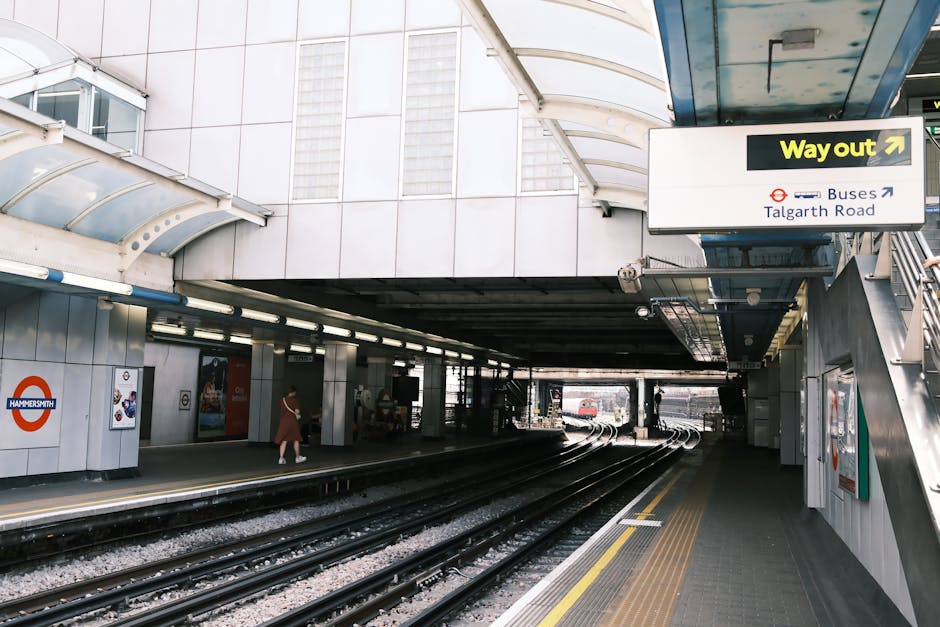
Booking delays for Hammersmith movers and how to prevent them
If you have ever tried to line up a move in west London, you already know how quickly a simple booking can turn into a headache. Booking delays for Hammersmith movers and how to prevent them is not just a scheduling question; it is often the difference between a calm move and a day spent chasing phone calls, rearranging lifts, and watching boxes stack up in the hallway. In a busy area like Hammersmith, delays can happen for all sorts of ordinary reasons: tight access, peak dates, unclear inventory, last-minute changes, or just the kind of local traffic that makes everyone sigh a bit before 9 a.m.
This guide breaks down why delays happen, what they cost you, and how to stop them before they start. You will also find a step-by-step booking plan, a practical checklist, and a realistic example from a typical home move. If you want to plan ahead with less stress, you are in the right place.
Why Booking delays for Hammersmith movers and how to prevent them Matters
Moving is already one of those life tasks that asks for more mental energy than you want to give it. Add booking delays into the mix and everything becomes harder: handover times slip, storage plans get messy, cleaners arrive too early, and you may end up paying for extra time you did not budget for. That is especially true in Hammersmith, where roads can be busy, parking can be limited, and building access is not always straightforward.
A delayed booking does not just mean the mover is late. It can mean the whole chain of your day starts moving like a row of dominoes. If the movers are late, the landlord's inventory clerk may be waiting, your office staff may be stood around doing nothing, or your new flat may be ready but inaccessible because the lift slot has passed. Truth be told, it is rarely one huge disaster. It is usually a cluster of small delays that pile up.
Preventing those delays matters because it protects time, money, and morale. You also get a better quality move overall. The team can plan the right vehicle, the right crew size, and the right timing. If you are comparing providers, pages like pricing and quotes can help you understand how clear information supports a smoother booking from the outset.
How Booking delays for Hammersmith movers and how to prevent them Works
The booking process for movers usually looks simple on the surface: you ask for a quote, agree a date, confirm the details, and the moving team turns up. But delays often creep in because the early information was incomplete or changed after the initial estimate. That is the real pressure point.
Here is what usually happens behind the scenes:
- You send the first enquiry. The mover checks the date, approximate volume, origin and destination, access details, and any special items.
- A quote or estimate is prepared. If the details are vague, the quote may be tentative or subject to change.
- Availability is reserved. On busy dates, the slot may only be held for a limited time, or not at all until the details are confirmed.
- Booking is finalised. This is where delays often appear if deposits, paperwork, or move details are still outstanding.
- Pre-move checks happen. Parking, access, lift bookings, and dismantling requirements should be confirmed before moving day.
If you want to reduce the risk, the goal is simple: make the booking as close to "move-day ready" as possible. The more the mover knows up front, the less likely something needs to be revised later. It sounds obvious, but it is astonishing how often people forget to mention the sofa that does not fit through the stairwell. You know the one.
For larger residential moves, it can help to look at broader services such as home moves or house removals, because these pages usually explain how different move types are planned and timed.
Key Benefits and Practical Advantages
Preventing booking delays is not just about being organised for the sake of it. There are some genuinely practical wins here.
- Less stress on the day. When the slot is confirmed properly, you are not stuck wondering whether the vehicle is actually coming.
- Better cost control. Delays often create knock-on costs, from extra labour time to missed service windows.
- More suitable vehicle planning. A van that is too small causes multiple trips. A truck that is too large may create access issues. Neither is ideal.
- Smoother access arrangements. Parking suspensions, loading bays, and building entry times are easier to manage when booked early.
- Reduced risk of rescheduling. If you are moving from a flat above a busy parade, or into a managed building, rescheduling becomes a real possibility if the details are fuzzy.
There is also a quieter benefit: confidence. Once the move is properly booked, people tend to act more decisively. Boxes get packed. Keys get sorted. The day starts to feel manageable instead of slippery.
Expert summary: The fastest way to prevent mover booking delays is to treat the booking like a mini project. Confirm the date, inventory, access, parking, and timings together rather than in separate bits and pieces.
Who This Is For and When It Makes Sense
This advice is useful for almost anyone moving in or out of Hammersmith, but it is especially relevant if your move has any of the following features:
- You live in a flat, mansion block, or building with controlled access.
- You need to work around a lease end date or completion schedule.
- You are moving during a busy time of year, such as school holidays or the end of the month.
- You have bulky items like wardrobes, beds, pianos, office furniture, or fragile equipment.
- You are planning a business relocation and need staff to be back online quickly.
- You have limited parking or loading space at either property.
If that sounds like your situation, booking early matters more than usual. For business customers, it may be worth reviewing commercial moves or office removals because commercial relocations tend to involve more people, stricter timing, and a lower tolerance for surprises. And let's face it, nobody wants staff carrying monitors across a reception area while waiting for a delayed van.
For smaller jobs, a man and van arrangement may be perfectly suitable, especially if your inventory is straightforward and you can keep timing flexible. But even there, a vague booking can still cause unnecessary stress.
Step-by-Step Guidance
Here is the clearest way to stay ahead of booking problems. It is not fancy. It just works.
1. Gather the full move details before you enquire
Write down the basics: pickup address, drop-off address, preferred date, floor level, lift access, parking restrictions, and any items that need special handling. If you are moving from a top-floor flat with a narrow stairwell, say so early. Do not wait until the day before. That is how delays are born.
2. Be honest about the volume of items
One of the biggest causes of booking problems is underestimating how much needs to go. A "few boxes" can become a roomful quickly. Include wardrobes, mattresses, dismantled furniture, garden items, and anything sitting in a loft, shed, or storage cupboard. If you are not sure, take photos and note them clearly.
3. Confirm access and parking in advance
This is the bit people overlook. In Hammersmith, access can be the real bottleneck. Check whether the mover can park nearby, whether there is a loading area, whether your building requires booking of the lift, and whether any restrictions apply to larger vehicles. A perfectly timed booking can still be delayed if the van cannot get close enough to load.
4. Ask how the company handles arrival windows
Some operators work with fixed times, others with arrival windows. Neither is automatically better, but you should know which you are getting. Ask what happens if traffic, a previous job, or access issues push the schedule back. A decent mover will explain the process without making you feel awkward for asking. If they sound vague, pay attention. Very much pay attention.
5. Put the booking in writing
Confirmation by email or message reduces misunderstandings. It should cover the date, addresses, estimated duration, vehicle type, services included, and any add-ons. If you have agreed packing help or dismantling, make sure it appears in the booking notes. If you want a service overview, removal services is a useful place to understand the broader scope before you commit.
6. Reconfirm 24 to 48 hours before the move
A quick reconfirmation is not overkill. It is just sensible. Check the time, access notes, and any last-minute changes. If the building manager has altered the loading arrangement or your completion has moved, this is the moment to say it. Not on moving morning, when everyone is already half awake and holding a kettle.
7. Prepare for the unexpected with a small buffer
Even a well-booked move can run a little late because of traffic, lift delays, or weather. Build a buffer into your day if you can. A one-hour gap between move completion and your next appointment can save a lot of grief. A tiny bit of breathing room changes everything.
Expert Tips for Better Results
After enough moves, you start to notice the same patterns. The jobs that run smoothly usually have one thing in common: the booking information was boringly complete. Boring is good. Boring means the day goes to plan.
- Send photos early. Pictures of staircases, parking spaces, oversized furniture, and awkward corners often explain more than a paragraph ever could.
- Separate "must move" from "nice to move". That helps the crew estimate space and timing more accurately.
- Book earlier for Fridays and month-end slots. These tend to be popular, particularly in London.
- Think through the route inside each property. A wide front door does not help if the final bend on the landing is tight.
- Keep your essentials bag out of the booking equation. Passports, chargers, medication, keys, and paperwork should be with you, not buried in a box somewhere.
Another useful tip: if you are moving in stages, say so. Some people move furniture one day and personal items the next. That is fine. But a mover cannot plan around "maybe later" very well. If the timing is uncertain, say it is uncertain.
It is also worth checking a provider's safety and insurance approach. Pages such as insurance and safety and health and safety policy give you a better sense of the standards a responsible company should maintain.
Common Mistakes to Avoid
Booking delays are often the result of simple mistakes. Not dramatic ones. Just the sort that happen when people are juggling everything at once.
- Leaving the enquiry too late. If you only contact movers a few days before the move, your preferred slot may already be gone.
- Assuming the quote is fixed without confirming details. A rough estimate is not always a final booking.
- Forgetting access restrictions. Low bridges, permit issues, narrow lanes, and controlled parking can all affect timing.
- Underestimating packing time. The vehicle may be ready, but the rooms are not.
- Ignoring special items. Large mirrors, glass tables, and awkward beds need more planning than a standard box stack.
- Changing the move time repeatedly. Every change creates another round of checks and may reduce availability.
One particularly common issue is the "I thought that was obvious" problem. It never is obvious. Not to the mover, not to the parking warden, not to the person waiting with the keys at the other end. Spell it out. Plain English wins.
Tools, Resources and Recommendations
You do not need a complex toolkit to prevent booking delays. In fact, the best resources are usually very ordinary.
- A room-by-room inventory. A simple list is enough, as long as it is accurate.
- Phone photos or a short video walkthrough. Ideal for tricky access or a lot of furniture.
- Calendar reminders. Set one for booking confirmation, one for reconfirmation, and one for the day before.
- Building management contacts. Helpful for lift bookings, loading bays, and move-in rules.
- Payment and terms information. It is sensible to review payment and security and terms and conditions so you know what is expected before the date arrives.
If you want to compare providers more carefully, removal company and removal companies can be useful pages for understanding how different types of movers position their services and booking process. If you are still in the early research stage, removals near me may help you navigate options locally without getting lost in generic national listings.
Law, Compliance, Standards, or Best Practice
For a move like this, the main compliance concerns are usually practical rather than dramatic. You are not dealing with a highly regulated legal transaction, but there are still clear best practices that responsible movers should follow.
In the UK, moving companies are expected to operate safely, communicate clearly, and handle customer information responsibly. A trustworthy provider should be transparent about booking terms, cancellation or amendment conditions, and payment handling. They should also take reasonable care with items in transit and around the property. That is where internal policies matter more than people sometimes realise.
For example, a company's published approach to safety, insurance, privacy, complaints, and modern slavery expectations can tell you a lot about how seriously it treats its responsibilities. You can review pages like about us, privacy policy, and complaints procedure if you want a fuller sense of how a provider manages customer trust. That does not guarantee perfection, of course, but it does give you a better basis for choosing.
Best practice on your side is equally straightforward: share accurate details, confirm changes in writing, and keep any move-sensitive documents close at hand. Nothing glamorous. Just the stuff that stops the day going sideways.
Options, Methods, or Comparison Table
Not every move needs the same level of planning. The best way to avoid booking delays is to choose the right type of service for your actual situation, not the one that sounds easiest in the moment.
| Move type | Best for | Booking risk level | How to reduce delays |
|---|---|---|---|
| Man and van | Smaller loads, flexible timing, short local jobs | Low to medium | Confirm item count, access, and parking early |
| House removals | Full home moves, multi-room properties, larger inventories | Medium | Book ahead, share room lists, and discuss dismantling needs |
| Office removals | Business relocations with time-critical operations | Medium to high | Plan staff access, IT handling, and move windows well in advance |
| Removals van / moving van | Flexible transport for general household items | Low to medium | Check size, load type, and any access restrictions |
If you are still deciding between a lighter service and a bigger operation, pages such as man with a van, moving van, and movers can help you compare the kind of support you may actually need. The cheapest-looking option is not always the easiest booking experience. That part gets overlooked a lot.
Case Study or Real-World Example
Here is a very typical Hammersmith scenario. A couple were moving from a first-floor flat near a busy road into a two-bedroom house a few miles away. They had a fair amount of furniture, a dismantled bed, several fragile boxes, and one awkward wardrobe that was, to be fair, doing its best to become a lifelong obstacle.
At first, they gave a rough estimate by phone and said they "might" need help with the wardrobe. The mover reserved a tentative slot, but the couple then realised they needed access to a shared lift at the new property and that the front entrance required a parked vehicle close to the curb. The building manager also needed notice for the loading bay. None of this was dramatic, but it was enough to slow the process.
They reset the booking properly. This time they sent photos, confirmed the wardrobe dimensions, checked parking, and aligned the move with the building's access window. The result was much smoother. Not magical, just organised. The vehicle arrived with the right capacity, the crew knew what to expect, and the move stayed within a predictable time range.
The lesson is simple: delays often come from unknowns, not bad service. If you reduce the unknowns, you reduce the delay risk.
Practical Checklist
Use this checklist before confirming any moving booking in Hammersmith.
- Confirm the exact move date and preferred arrival time.
- List all furniture, boxes, and special items.
- Note floor levels, lift access, and stairs at both addresses.
- Check parking, loading space, and any permit or building restrictions.
- Share photos or a short video of awkward access points.
- Ask what is included in the service and what is not.
- Confirm whether dismantling, packing, or reassembly is needed.
- Review payment terms and booking conditions.
- Reconfirm the booking 24 to 48 hours before move day.
- Keep essentials, documents, and valuables with you.
Quick takeaway: the smoother your information, the smoother the booking. Simple as that.
If you want to discuss a move before finalising the plan, the easiest next step is to explore the main service pages and then speak to the team directly through contact us. It saves time, and honestly, a five-minute clarification now can prevent an irritating forty-minute delay later.
Get a free quote today and see how much you can save.
Conclusion
Booking delays for Hammersmith movers are rarely caused by one big failure. More often, they come from small gaps in planning: an unclear inventory, a forgotten parking issue, a last-minute access problem, or a booking that was never quite fully confirmed. The good news is that all of that is preventable.
If you gather the right details early, choose a service that fits the move, and confirm everything in writing, you give yourself a much calmer moving day. That matters whether you are relocating a flat, a family home, or an office full of desks and cables that seem to multiply overnight. And if there is one thing worth remembering, it is this: good booking preparation is not extra admin. It is the move.
Take it one step at a time, keep things clear, and give yourself a little breathing room. You will be glad you did.
Frequently Asked Questions
What usually causes booking delays with Hammersmith movers?
The most common causes are incomplete move details, late enquiries, poor access information, parking issues, and last-minute changes to the move time or inventory. In many cases, the delay starts long before moving day.
How far in advance should I book a mover in Hammersmith?
As early as you reasonably can, especially for end-of-month dates, Fridays, and school holiday periods. If your move involves a lot of furniture or controlled access, earlier is better. Much better.
Can I book a man and van at short notice?
Sometimes, yes. Smaller local jobs can often be arranged more quickly than larger removals. Still, short-notice bookings are more likely to face delays if the route, access, or load details are unclear.
What information should I give when I request a quote?
Give the move date, both addresses, floor levels, lift access, parking restrictions, item list, and any special handling needs. Photos help too. They often save more time than a long message thread.
Do delays happen more often for flat moves?
They can, because flats often involve stairs, lifts, loading restrictions, and shared access. That does not mean flat moves are difficult; it just means the planning needs to be tighter.
Should I expect traffic to affect my moving booking in Hammersmith?
Yes, it can. West London traffic, roadworks, and access restrictions can all affect timings, so it is sensible to build some flexibility into the day.
How do I reduce the chance of the mover arriving with the wrong vehicle?
Be precise about the volume and type of items you are moving. If you are unsure, send photos or ask for an assessment. Under-reporting the load is one of the easiest ways to create a booking problem.
What should be confirmed in writing before moving day?
Confirm the date, arrival window, addresses, vehicle type, included services, payment details, and any special instructions. Written confirmation helps avoid misunderstandings, which is always a relief.
Is it worth booking packing or unpacking help?
If you are short on time or have fragile items, yes, it can be very useful. Services such as packing and unpacking services can reduce pressure and keep the move moving on schedule.
What if my completion date changes at the last minute?
Tell the mover immediately. The sooner they know, the easier it is to adjust availability or discuss a new slot. Delays are easier to manage when everyone knows the truth early.
How do I know if a moving company is organised?
Look for clear communication, written booking details, sensible questions about access, and straightforward terms. Pages like about us and terms and conditions can also tell you a lot about how a provider works.
What is the simplest way to avoid booking delays altogether?
The simplest approach is to give complete information from the start, confirm access and parking early, book in advance, and reconfirm shortly before the move. It is not glamorous, but it works.
Moving day should feel like progress, not chaos. With the right preparation, it usually does.