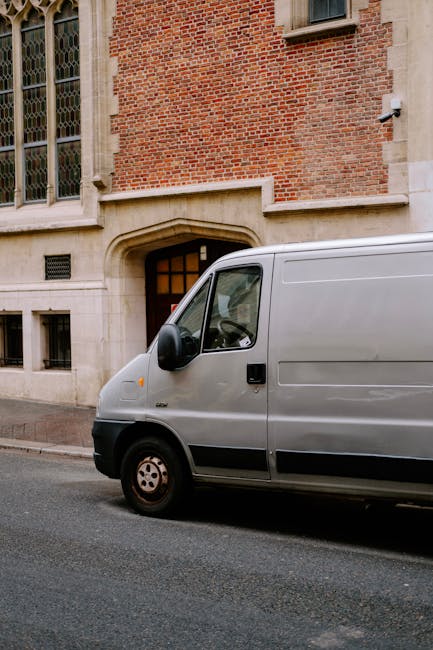
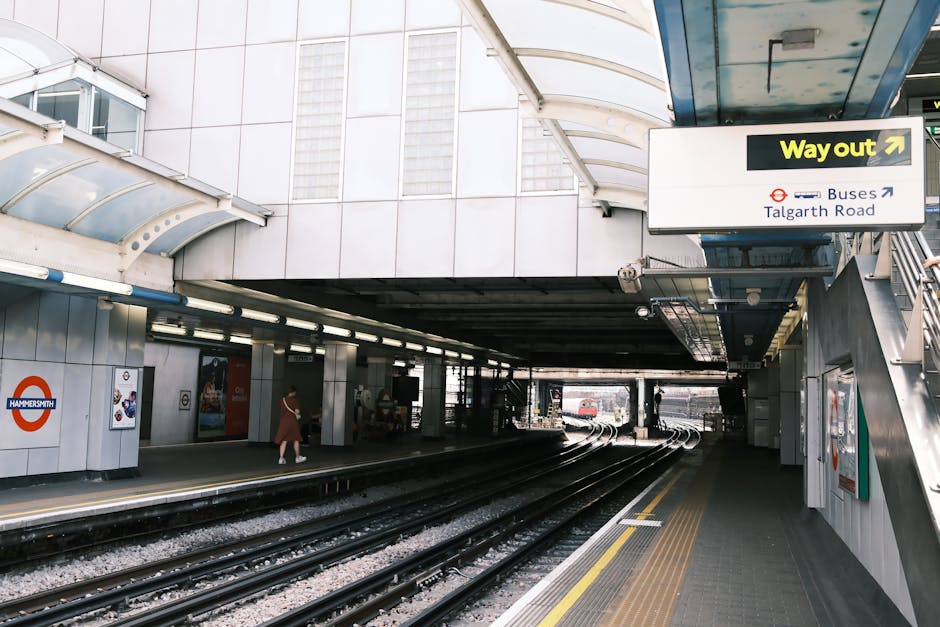
Man with van in Hammersmith

A man with van in Hammersmith is a practical choice when you need items moved without the scale or complexity of a full removals crew. Our service is suited to furniture, boxed belongings, appliances and mixed loads that need careful lifting, sensible loading and direct transport. It is built for customers who want a straightforward move handled with attention to access, spacing and protection.
We support house moves, flat moves, student moves, single-item transport and other light moving jobs that benefit from a van-based service rather than a larger removal operation. If your task involves stairs, tight entrances or awkward furniture, we plan the load so the work stays orderly from collection to delivery. Clear preparation helps the day run smoothly, but the moving process itself should stay simple.
This page explains the main service, the kinds of jobs it can cover and the factors that usually shape a quotation. If you already know what needs moving, you can request a quotation once you have reviewed the service options below.
Practical van-based moving for homes and small loads
Our man and van service is designed around flexible transport rather than a one-size-fits-all removal package. That makes it useful for customers with a limited number of items, partial room contents or a move that needs more help than a standard car can provide. The emphasis is on loading carefully, securing the cargo properly and keeping the journey efficient from the first collection to the final drop-off.
Typical jobs can include wardrobes, beds, tables, boxes, office chairs, domestic appliances and a mixture of smaller items that need to travel together. We also move belongings that may not fit neatly into ordinary delivery slots, such as bulky purchases collected from a shop or marketplace. Good load planning matters because it protects both the goods and the vehicle space being used.
For customers comparing moving options, the key difference is usually scale. A van service can suit a straightforward journey where the main requirement is transport with sensible handling, while a larger removal service may suit fuller properties or more complex moves. If you are unsure which option fits, a brief description of the load usually helps us point you towards the right kind of service.
Home moves, single items and furniture transport

Many enquiries for a man with van in Hammersmith involve home moves that are too small for a large removal team but still need organised handling. That may include a studio flat, a room move, a partial house move or a collection of key furniture pieces going to a new address. The service works well when the load needs to be grouped sensibly rather than treated as loose individual items.
Furniture transport is often about more than lifting weight. Sofas, wardrobes, bed frames and cabinets can be awkward to manoeuvre, especially where turns, narrow corridors or stairwells are involved. We therefore pay attention to how items are moved out, how they are arranged in the van and how they are kept steady in transit. That approach reduces avoidable knocks and helps each item arrive in the same condition it left.
Single-item moves can be especially useful when an item is too large for a regular courier but not large enough to justify a specialist removal project. Examples include an upright freezer, a dining table, a large mirror or a major piece of flat-pack furniture that needs a vehicle with loading space. For these jobs, the important point is a sensible match between the item size, access conditions and the vehicle used.
What our moving service can cover

Our service can support a range of domestic transport needs, and each job is planned around the actual items being moved. A customer may need one carefully handled trip, or a series of collections and deliveries arranged in sequence. The work can be adapted to the amount of loading space required, the distance involved and whether the items need to be kept together or separated into different destinations.
- Household furniture moved between addresses
- Boxes and personal belongings from flats or rooms
- Appliances that need careful loading and stable positioning
- Store collections and marketplace purchases
- Light commercial items that fit a van-based move
Not every job needs the same level of handling, so the best approach is the one that suits the item mix. Some loads are easiest when stacked in a simple sequence; others need soft items placed around firmer pieces so that movement in transit is reduced. Our aim is to keep the move practical, tidy and easy to understand, without adding unnecessary complexity or making the job larger than it needs to be.
Planning access, loading and route details
When moving day arrives, access details matter just as much as the van itself. Narrow streets, shared entrances, stair access and limited waiting space can all affect how the loading is organised. A clear description of the collection point and delivery point helps us decide how to approach the job, where the items may need to be carried from and whether any particularly bulky pieces should be loaded first.
The simplest way to prepare is to group items by room or by destination where that makes sense, then note anything fragile, heavy or awkward. If there are dismantled pieces, loose fittings or specialist surfaces, keeping them together avoids confusion once the van is packed. This is also the stage where it helps to mention if the move includes only transport or if loading assistance is needed as part of the service.
Customers do not need to overcomplicate the process. A short, accurate summary of what needs moving is usually enough to begin. If the load changes after the first enquiry, it is better to say so early rather than leave the vehicle plan to chance. That keeps the service focused on the real job and avoids unnecessary delays at collection.
About Hammersmith
Hammersmith is a district in west London on the north bank of the River Thames, shaped by a long history of river crossings, transport links and riverside development. The area is known for Hammersmith Bridge, a Grade II* listed suspension bridge whose original design dates from the 1820s and whose structure has been the subject of extensive modern repair work. The riverside setting remains one of its defining features, with paths and public spaces linking the bridge area to neighbouring stretches of the Thames. The district also includes the broad commercial and civic corridor around Hammersmith Broadway, where major roads and Underground connections make it a significant local interchange. Cultural life is an important part of the place as well, particularly through venues such as the Hammersmith Apollo, which has long been a major London performance hall. Beyond the busy centres, the area contains residential streets, mansion blocks and smaller neighbourhood pockets that reflect different phases of west London growth, from older riverside settlement to Victorian and twentieth-century expansion. St Peter’s Church, with its distinctive churchyard and long local presence, adds another historic landmark to the district, while nearby green spaces and river views provide a quieter contrast to the traffic of the main routes. The result is a place that feels layered rather than uniform: part riverside, part transport hub, part residential west London neighbourhood, with architecture and public life that show how the district has changed over time without losing its recognisable identity.
House moves and partial removals

For customers moving between homes, a van-based service can be the right fit when the contents are manageable but still need organised transport. Partial removals are especially common when only selected rooms, furniture sets or stored items are being transferred. This approach lets you move at a scale that reflects the actual amount of property involved, rather than paying for a larger operation than the job requires.
House moves often work best when the heaviest or most awkward items are considered first. Beds, wardrobes and sofas may determine the order of loading, while boxes and smaller possessions fill the remaining space around them. The aim is to create a stable load that travels well. Where needed, careful sequencing can make a big difference to how efficiently the vehicle is used, particularly when access or parking is limited.
Partial removals can also be a good choice for separating a move into stages. Some customers relocate only part of a home, transfer contents from storage or move the largest items ahead of the rest. A sensible van service can handle these smaller, staged journeys as long as the item list is clear and the delivery points are understood in advance.
Office and commercial transport support
Although the core service is often used for home moving, it can also support light commercial transport where the load is suitable for a van. That may include office furniture, boxed files, compact equipment or miscellaneous items that need moving between workspaces. The main consideration is not the label on the job but whether the items can be handled safely and arranged securely for travel.
Office-related moves can involve desks, chairs, shelving, monitors and archive boxes, sometimes with different destinations or time-sensitive handovers. For those jobs, clear labelling and a simple destination plan help avoid confusion when the vehicle is loaded and unloaded. It is usually better to define the route and item order early, especially when access at either end is shared with other people or businesses.
We also support straightforward commercial collections where the task is mainly transport rather than a full relocation. That may include moving items from a supplier, collecting stock or transferring equipment between sites. The important point is that the vehicle and handling plan should suit the actual load, not an imagined larger move. That keeps the service practical and adaptable.
How quotations are usually shaped

Quotation details are usually based on the type and amount of items, the start and end locations, access conditions and whether loading help is needed. A move with a few boxed items may be straightforward, while a load with bulky furniture, stairs or several stops may need a more carefully planned price structure. The aim is to match the quote to the real work, not to force every job into the same template.
If you want to make the enquiry process easier, have a simple list of what is being moved and note any unusually large or fragile items. Mention whether there are lifts, stairs, tight hallways or parking restrictions, because those details affect the practical handling of the job. You do not need a formal inventory to begin, but an honest description helps the quotation reflect the work more accurately. Accuracy matters more than length when preparing a moving request.
Once the core details are clear, the next step is simply to ask for a quotation and decide whether the service matches your schedule and load. If you are comparing options, keep in mind that the cheapest-looking price is not always the best fit if the vehicle size or handling support is wrong for the job. Request a quotation when you are ready to move forward.
Packing support and careful handling
Some jobs only need transport, but others benefit from packing support before the items go into the van. Boxes that close properly, wrapped furniture and grouped small parts are easier to load and easier to deliver without confusion. Packing assistance can therefore be useful where the move includes mixed household contents, loose accessories or belongings that need to stay together during transit.
Good handling is as much about judgement as it is about strength. Fragile items, polished surfaces and irregular shapes can often be transported safely when they are positioned carefully and separated from harder objects. That is why we treat the loading stage as part of the service rather than an afterthought. It gives the vehicle a stable interior and reduces unnecessary movement while travelling.
Where unpacking or re-positioning is needed, it is best approached as a practical continuation of the move rather than a separate idea added later. The job is simpler when everyone understands what belongs in the van, what must be kept upright and which pieces need the most care. That clarity helps the move feel controlled instead of rushed.
Moving choices that suit different customer needs
Different customers need different levels of help, and a van service works well precisely because it can be scaled to the task. Some people need a quick collection and delivery, others need an extra pair of hands at each end, and some just want a dependable way to move items they cannot transport themselves. The useful part is that the service can stay focused on the actual requirement.
Choosing between a van move and a fuller removals option often comes down to volume, access and timing. If the job is small enough to remain orderly inside one vehicle, a man and van service can be a sensible choice. If the contents are much larger or the route requires several loads, a broader removals arrangement may be more suitable. The right service is the one that fits the load cleanly.
For many customers, the main appeal is simplicity. There is no need to over-prepare or over-specify every item, but there is value in being clear about what matters most: size, fragility, access and destination. With those details in place, the move can be planned in a way that feels calm, direct and manageable.
Final step: send your moving details
If you have already worked out what needs to travel, the final step is straightforward. Send the item summary, the collection and delivery points and any notes about access so the move can be considered properly. A short description is often enough to start; a longer list is only necessary when the contents are more mixed or the route is more involved. The goal is to make the service fit the job without adding unnecessary complication.
You can also mention whether there are particularly heavy items, delicate finishes or anything that should be moved separately from the rest. That helps with vehicle planning and with the order in which items are handled. If the move includes furniture, boxed belongings or a combination of both, say so plainly. It is easier to price and plan a move that is described in normal language than one that is guessed from limited detail.
Request a quotation when you are ready, and keep the note brief, accurate and focused on the move itself. A good enquiry gives enough information to understand the job while leaving room to confirm the practical details. That is usually the best way to arrange a man with van in Hammersmith with confidence.