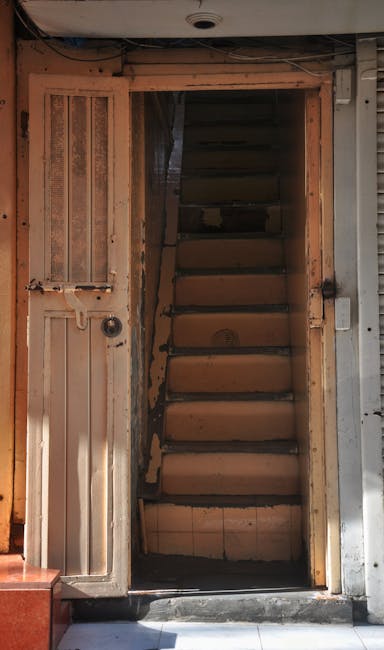
W6 removals guide for flats with narrow staircases
Posted on 06/06/2026
W6 Removals Guide for Flats with Narrow Staircases
Moving out of a flat in W6 can feel straightforward until you meet the staircase. Tight turns, narrow landings, awkward banisters, basement steps, shared hallways, and a sofa that looked perfectly reasonable in the shop suddenly becomes a small domestic crisis. If that sounds familiar, you are in the right place. This W6 removals guide for flats with narrow staircases is built for real London homes, where access matters just as much as the distance between addresses.
Whether you are leaving a top-floor conversion, a Victorian terrace split into flats, or a compact apartment with a corridor that barely forgives a laundry basket, the key is planning. Good planning saves time, protects your belongings, and keeps everyone calmer on the day. To be fair, calm is half the job. In this guide, you will find practical steps, common mistakes, a useful comparison table, and a realistic way to handle the move without making the stairwell your enemy.
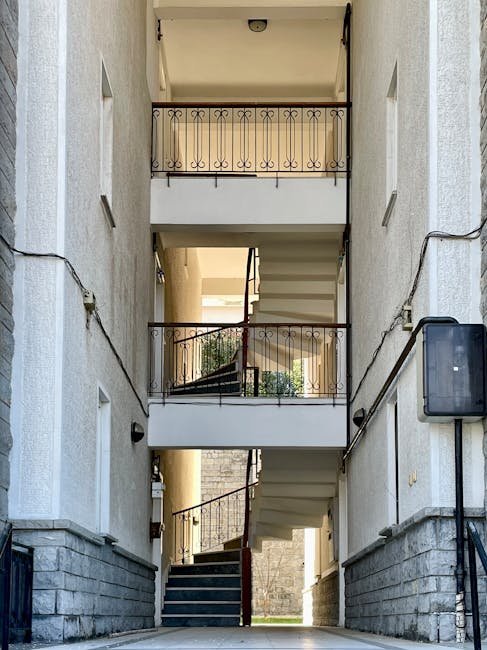
Why W6 removals guide for flats with narrow staircases Matters
In W6, access is often the part of the move people underestimate. The area has plenty of older buildings, split-level flats, and converted homes where staircases were never designed with modern furniture in mind. A hallway can look wide enough until you bring in a mattress, wardrobe, desk, or dining table. Then the angles start to matter. Suddenly every landing feels smaller than it did at the viewing.
This matters because stair access affects almost everything: how long the move takes, how many people are needed, whether items need dismantling, and how safely large pieces can be carried. It also changes cost expectations. A job that looks simple on paper may need extra labour, more careful packing, or even temporary storage if items cannot be moved in one piece. If you are also dealing with a full flat move, you may want to look at flat removals in Hammersmith and the wider removals Hammersmith service pages for the broader picture.
There is another reason this topic matters: narrow staircases are where small mistakes become expensive. One scraped wall, one dropped drawer front, one badly angled sofa leg, and the whole day feels heavier. A good removal plan reduces that risk and makes the move feel manageable. Not glamorous, granted. But very useful.
How W6 removals guide for flats with narrow staircases Works
The practical answer is simple: you assess access early, prepare the right items for moving, and choose the safest route for each piece. In a narrow-staircase flat move, the stairwell becomes part of the logistics plan, not just the path between rooms. That means measuring, sorting, dismantling where possible, and deciding what should be carried, protected, or even temporarily stored.
Most successful moves follow a similar rhythm. First, identify the largest and most awkward items. Then check whether they can fit through the staircase without damage. If not, consider dismantling them or taking a different route. In some cases, a service such as man and van Hammersmith or man with a van Hammersmith can be a good fit for smaller flats and lighter loads, while larger or more delicate moves may benefit from a fuller team.
The process also depends on timing. Early morning moves are often easier in busy streets and shared buildings, and the stairwell tends to be quieter. That sounds minor, but when a heavy chest of drawers is halfway down a bendy staircase, every bit of space helps. The point is not to rush the building into submission. The point is to work with it.
Key Benefits and Practical Advantages
There are real benefits to planning a narrow-staircase move properly. It is not just about avoiding breakages, though that is obviously a big one. You also reduce stress, keep the move on schedule, and make it easier for everyone involved to work safely. And yes, a little less swearing in the hallway is always a bonus.
- Fewer delays: measuring and preparing in advance means fewer surprises on moving day.
- Lower damage risk: protection materials and careful handling reduce scuffs, chips, and dents.
- Better use of labour: movers can focus on the actual lift instead of improvising at the staircase.
- More realistic quoting: access issues are easier to price fairly when explained properly.
- Less furniture loss: dismantling and proper wrapping help preserve items that might otherwise struggle through tight spaces.
There is also a hidden advantage: a clear plan makes the move feel smaller. A narrow stairwell can make even a modest one-bedroom flat seem like a puzzle box. But once you break it into steps, the job starts to look ordinary. And ordinary is good.
For furniture-heavy homes, it can also make sense to review furniture removals Hammersmith and, if you have especially fragile or awkward items, piano removals Hammersmith for examples of how specialist handling can change the plan.
Who This Is For and When It Makes Sense
This guide is for anyone moving out of a flat with tight access, but it is especially useful if you are in a top-floor property, a period conversion, a basement flat, or a building with shared stairs that turn sharply at each landing. If your staircase has a handrail on one side and a wall on the other, you already know the feeling. There is no room for guesswork.
It also makes sense if you are moving with bulky furniture, moving on a deadline, or coordinating with neighbours or a building manager. Students moving out of compact W6 flats can benefit too, especially where staircases are narrow and the move has to be done quickly. In that case, student removals Hammersmith can be a practical option.
This is also relevant if you need a same-day turnaround, perhaps because your tenancy ends and the key handover is tight. In those situations, access planning becomes even more important. A same-day slot leaves less room for mistakes, so the stair strategy must be sorted before the van arrives. If the schedule is particularly compressed, same-day removals Hammersmith may be worth considering.
Step-by-Step Guidance
Here is the practical version. No drama, just the sequence that tends to work.
- Measure the staircase and key items. Check width, turns, headroom, and landing space. Measure sofas, beds, wardrobes, desks, and large appliances. Do not forget diagonal measurements for bulky pieces.
- Identify what can be dismantled. Flat-pack furniture, bed frames, table legs, and some shelving units are often easier to move in parts. Keep screws and fittings in labelled bags. Small thing, big relief later.
- Clear the route. Remove loose mats, shoes, planters, laundry baskets, and anything else that turns a stair into an obstacle course. Hallway clutter slows everything down.
- Protect walls and door frames. Use covers, blankets, or padding where needed. Narrow staircases often mean items brush the wall even when everyone is being careful.
- Pack by room and priority. Start with non-essentials. If the kitchen is still half-packed when the van arrives, you may end up moving chaos instead of boxes.
- Choose the route for each item. Decide what goes first, what needs two people, and what may need to be carried at an angle. Some items look impossible until you rotate them just right. Some, admittedly, remain impossible.
- Load the van in the right order. Heavy and sturdy items go in first. Fragile items need to be secured, not just wedged in and hoped for.
- Do a final walk-through. Check cupboards, the loft if relevant, behind doors, and the very back of wardrobes. The classic "where is my charger?" panic begins here.
One useful detail people forget: if the staircase is narrow, the carry route from the flat to the van matters as much as the item itself. A short curbside distance helps, but only if the item can be brought downstairs safely in the first place. The whole chain has to work, not just one link.
Expert Tips for Better Results
In our experience, a few small decisions save far more time than they cost.
- Measure twice, plan once: the tape measure is boring until it saves a wardrobe from getting stuck halfway down.
- Use soft protection on awkward corners: stair edges, banisters, and radiator corners take the brunt of the move.
- Pre-pack the staircase traffic zone: keep boxes away from the route so people are not stepping over clutter while carrying items.
- Empty drawers before moving. It sounds obvious, but people still leave heavy stuff in them. The drawer then becomes a tiny, dangerous suitcase.
- Label items that must stay upright: mirrors, lamps, and certain appliances should be clearly marked.
- Book a bit of extra time: narrow staircases make moves less predictable. A cushion of time is rarely wasted.
If you have expensive or delicate belongings, it is sensible to ask about insurance and handling methods in advance. A reputable mover should be able to explain the process plainly. You do not need a lecture. You do need clarity. For more on that side of things, see insurance and safety.
Another tip, and this one feels almost too simple: take photos of how complex furniture is assembled before you dismantle it. On the far side of the move, when you are staring at a pile of identical bolts, those photos become gold.

Common Mistakes to Avoid
Most narrow-staircase moving problems are avoidable. The trouble is that they are easy to ignore until the day itself.
- Not checking access in advance. If the move depends on a staircase that is too tight, you need to know before the van is booked.
- Assuming everything will fit if angled enough. Sometimes it will. Sometimes it will not. Hope is not a measuring tool.
- Leaving packing too late. A rushed pack often means poor protection and more trips up and down the stairs.
- Ignoring shared-space etiquette. In flats, stairwells and landings are often communal, so leave them clear and respect neighbours.
- Forgetting to protect fragile finishes. Painted stair rails and plaster corners can mark very easily.
- Choosing a vehicle without considering access. The van is part of the move, but not the whole move. For load size and vehicle planning, removal van Hammersmith can be a useful reference point.
There is also a softer mistake people make: trying to do too much themselves. Sometimes that is sensible. Sometimes it turns the day into a long, awkward shuffle. If your move is larger than expected, it may be wiser to bring in experienced help from removal services Hammersmith or compare options via removal companies Hammersmith.
Tools, Resources and Recommendations
You do not need a warehouse of equipment to move from a narrow-staircase flat, but the right basics make a real difference. The best kit is usually simple: sturdy boxes, tape, bubble wrap or paper wrap, furniture blankets, stretch wrap, labels, a basic tool set, and gloves with a decent grip. Nothing fancy. Just dependable.
For packing support, it often helps to use proper box selection rather than whatever is lying around from supermarket deliveries. Mixed-quality boxes collapse at the worst moments, usually when you are halfway down a stairwell. If you want a better starting point, packing and boxes Hammersmith is a practical place to begin.
Storage can also be part of the solution. If a sofa will not safely fit through the staircase on move day, storing it briefly while you sort access or replace it may be the less stressful route. That is not a failure. It is a workaround. See storage Hammersmith for situations where a temporary pause makes the move easier.
And if you are moving belongings from one flat to another within the wider area, it is worth thinking about the full service rather than just the lift and carry. A broader view can help you choose between a compact team, a more complete removals package, or a specialist move for awkward items. The services overview is not a typo I can use here because the URL must be exact, so let's stick to the correct page: services overview.
Law, Compliance, Standards, or Best Practice
For most domestic removals, the biggest compliance concerns are safety, access, and insurance rather than complicated legal thresholds. Still, there are sensible standards worth following. Shared stairwells should be kept clear. Building rules should be respected. Any requested booking windows, lift reservations, or parking arrangements should be followed carefully. In London flats, these practical rules matter a lot more than people expect.
From a best-practice point of view, movers should work safely, communicate clearly, and use appropriate handling methods for heavy or awkward items. That includes taking care around walls, railings, lighting, and floor surfaces. If a mover is rushing around a narrow staircase with no plan and no protection, that is usually a bad sign.
Health and safety expectations also extend to you, the resident. If you are packing, carry light boxes on stairs, not overfilled ones. Keep walkways dry and unobstructed. If you are arranging a move in poor weather, be extra careful with wet shoes and slippery steps. It sounds like common sense because, well, it is. But common sense is often the first thing to disappear on moving day.
For a clearer idea of how professional standards are handled, you can review health and safety policy and accessibility statement. Those pages are useful for understanding the kind of care and responsibility a customer should expect.
Options, Methods, or Comparison Table
There is no one correct way to tackle a flat move with narrow stairs. The best option depends on volume, furniture size, timing, and how much help you want on the day. Here is a simple comparison.
| Approach | Best for | Strengths | Trade-offs |
|---|---|---|---|
| DIY with helpers | Small loads, light furniture, very short moves | Lower direct cost, flexible timing | Higher physical effort, more risk, slower on awkward stairs |
| Man and van | One-bedroom flats, partial moves, student moves | Practical, efficient, suited to smaller access challenges | May need careful planning for bulky items |
| Full removals team | Larger flats, valuable furniture, more complicated stair access | More hands, better handling, less stress | Usually higher cost than a smaller setup |
| Move with storage | Oversized items, delayed handovers, access problems | Flexible, reduces pressure on move day | Requires extra planning and temporary storage arrangements |
If your move is part of a bigger relocation, such as a house move with an awkward flat phase, it may be worth reviewing house removals Hammersmith as well. Not every move fits neatly into one box, which is annoying but true.
Case Study or Real-World Example
Here is a realistic example based on the kind of flat moves people often face in W6. A tenant in a top-floor converted flat had a two-seater sofa, a bed frame, a desk, a chest of drawers, and about twenty boxes. The staircase was narrow, with a turn halfway up and a tight landing near the front door. At first glance, the sofa looked like the main issue. In reality, the desk was the awkward piece because of its fixed legs.
The move went smoothly because the plan was simple. The desk legs were removed before moving day. The bed frame was dismantled into sections. Boxes were kept small and stackable. A separate route through the hallway was cleared the night before. One person stayed upstairs to pass items down, while two handled the stairs and one managed the van loading. Nothing heroic. Just organised.
The key detail was that the team did not treat the staircase like a problem to overpower. They treated it as a constraint to work with. That shift in mindset made everything easier. The job still took concentration, of course. It is a narrow stairwell, not a miracle. But it was completed with no damage and far less stress than the tenant had expected.
That is the real lesson: narrow access is rarely a dealbreaker if the move is planned properly. Sometimes it just needs a little more patience and a better sequence. Which, in fairness, is true for a lot of things in life.
Practical Checklist
Use this checklist a day or two before the move. If you tick most of these off, you are in much better shape.
- Measure the staircase, landings, door frames, and the largest furniture items.
- Dismantle anything that can safely come apart.
- Label screws, bolts, and fittings in sealed bags.
- Pack fragile items separately and mark them clearly.
- Keep stairs, hallways, and the front entrance clear.
- Protect wall corners and handrails where needed.
- Confirm parking or loading arrangements for the van.
- Tell movers about any known access issues in advance.
- Set aside essentials for the first night in the new place.
- Check whether any large item should be stored, split, or moved by a specialist team.
Expert summary: The safest narrow-staircase move is not the fastest one on paper; it is the one that has been measured, simplified, and packed with the staircase in mind from the start.
Conclusion
Moving from a flat with narrow stairs in W6 does not have to be a headache. It does, however, demand more thought than an ordinary ground-floor move. Measure properly, pack with purpose, dismantle what you can, and choose the right support for the size of the job. Once those pieces are in place, the rest becomes much more manageable.
Whether you are moving a few boxes, a full flat, or one particularly stubborn sofa that seems to dislike staircases on principle, the same principle holds: prepare early and keep the route simple. That is usually the difference between a frantic day and a controlled one.
Get a free quote today and see how much you can save.
If you are planning ahead, you may also find it helpful to read about local context in considering Hammersmith local insights or explore the area with get lost in the charms of Hammersmith. A move is always easier when the area feels a little more familiar.